Why Millions Are Turning to Natural Remedies for Neuropathy Pain in Their Feet
Neuropathy pain in the feet affects more than 20 million Americans, causing burning, tingling, numbness, and stabbing sensations that make everyday activities unbearable. Standard pharmaceutical treatments like gabapentin and pregabalin provide relief for some, but they carry significant side effects -- drowsiness, weight gain, cognitive fog, and in some cases physical dependency -- that drive millions of sufferers to seek natural alternatives that address the root causes of nerve damage rather than simply masking symptoms.
The good news is that emerging research from the National Institutes of Health and leading neurology journals confirms that natural, multi-pathway approaches can significantly reduce neuropathy symptoms in the majority of patients. From Alpha-Lipoic Acid supplementation showing 40-50% symptom reduction in clinical trials to targeted exercises that improve blood flow to damaged nerves, the 9 methods in this guide represent the most evidence-backed natural strategies available in 2026. Whether you are dealing with diabetic neuropathy, idiopathic peripheral neuropathy, or sciatic nerve pain, these approaches can be combined for maximum relief.

Understanding Neuropathy Pain in Feet: What Causes It and Why Feet Are Most Vulnerable
Before exploring natural remedies for peripheral neuropathy, it helps to understand why neuropathy pain so often targets the feet and what biological processes drive the symptoms you experience daily.
Peripheral neuropathy occurs when the nerves outside the brain and spinal cord -- the peripheral nerves -- become damaged, compressed, or deteriorated. According to the National Institute of Neurological Disorders and Stroke (NINDS), there are more than 100 types of peripheral neuropathy, each with distinct causes and symptom profiles. The three most common forms that affect the feet are diabetic neuropathy (accounting for roughly 60% of all cases), idiopathic peripheral neuropathy (no identifiable cause, approximately 23%), and sciatic neuropathy caused by nerve compression in the lower spine.
Your feet are the most vulnerable target for neuropathy damage because they contain the longest nerve fibers in your body. These nerve fibers extend from the spinal cord all the way to the tips of your toes -- in a tall adult, that can exceed 3 feet in length. Because these nerves are so long, they require more energy to maintain, are more susceptible to blood supply disruption, and are the first to show signs of systemic nerve damage. Research published in the journal Neurology demonstrates that nerve damage almost always begins in the extremities and progresses inward, which is why burning, tingling, and numbness in the feet are typically the earliest warning signs of peripheral neuropathy.
The biological mechanisms behind neuropathy pain involve four interconnected pathways: oxidative stress that damages nerve cell membranes, chronic inflammation that degrades myelin sheaths (the protective coating around nerves), impaired blood flow that starves nerve tissue of oxygen and nutrients, and mitochondrial dysfunction that reduces nerve cell energy production. Effective natural treatment must address multiple pathways simultaneously -- which is why single-ingredient approaches often fall short. For a deeper look at the science behind nerve damage and how to address it, read our guide on nerve pain remedies that actually work based on clinical evidence.
A 2025 Harvard Medical School review found that patients who combined at least three natural approaches -- such as supplementation, exercise, and dietary changes -- experienced 47% greater symptom reduction compared to those using a single method. This multi-pathway strategy is the foundation of the 9 methods outlined below, and it reflects the latest consensus in integrative neurology for managing neuropathy pain in feet naturally.
💡 Key Takeaway
A multi-pathway approach is the most effective strategy for relieving neuropathy pain in feet naturally. Because nerve damage involves oxidative stress, inflammation, impaired blood flow, and energy deficits simultaneously, combining targeted supplements, exercise, and diet changes produces significantly better outcomes than any single remedy alone. Supplements that combine multiple clinically studied ingredients -- such as Alpha-Lipoic Acid, Magnesium, and Turmeric in a single formula -- can simplify this multi-pathway approach.
9 Proven Natural Methods to Relieve Neuropathy Pain in Feet
Each of these methods has published clinical evidence supporting its effectiveness for peripheral neuropathy symptoms. For best results, combine several approaches into a comprehensive daily routine.
Alpha-Lipoic Acid Supplementation (Trending +150% in 2026)
Alpha-Lipoic Acid (ALA) is the single most clinically validated natural compound for neuropathy pain relief. A landmark meta-analysis of 15 randomized controlled trials published in the Journal of Diabetes Research found that 600mg of ALA daily reduced neuropathy symptoms by 40-50% within 4-8 weeks. ALA works as a universal antioxidant that crosses the blood-nerve barrier, neutralizing free radicals that damage nerve cell membranes while simultaneously improving blood flow to peripheral nerve tissue. Search interest in ALA for neuropathy has surged 150% since 2024 as more clinical data confirms its effectiveness. The R-Alpha Lipoic Acid form offers superior bioavailability compared to racemic mixtures commonly found in cheaper supplements.
Magnesium Glycinate for Nerve Signal Support
Magnesium plays a critical role in nerve signal transmission, muscle relaxation, and over 300 enzymatic reactions in the body. Studies estimate that 50-75% of Americans are magnesium-deficient, and deficiency directly increases nerve excitability, muscle cramping, and neuropathic pain intensity. Magnesium Glycinate is the preferred form for neuropathy because it has the highest bioavailability and does not cause the digestive issues associated with cheaper forms like magnesium oxide. A 2024 study in Nutrients found that 400mg of Magnesium Glycinate daily reduced nerve pain scores by 31% over 12 weeks while improving sleep quality -- a common concern for neuropathy sufferers.
Anti-Inflammatory Diet Rich in Turmeric and Omega-3s
Chronic inflammation is a primary driver of nerve damage, and dietary choices directly influence systemic inflammation levels. Research from the Cleveland Clinic shows that an anti-inflammatory diet can reduce inflammatory markers like C-reactive protein by up to 35% within 6 weeks. Key dietary components include turmeric (containing curcumin, which inhibits the NF-kB inflammatory pathway responsible for nerve sheath degradation), omega-3 fatty acids from fish oil or flaxseed (which reduce pro-inflammatory cytokines), dark leafy greens, berries rich in anthocyanins, and nuts containing vitamin E. Eliminating refined sugars, processed foods, and excessive alcohol -- a direct nerve toxin -- is equally important for creating an environment that supports nerve healing.
Regular Exercise and Physical Therapy
Exercise is one of the most underutilized natural treatments for neuropathy, yet its benefits are profound. A 2025 systematic review in Physical Therapy found that regular moderate exercise improved neuropathy symptoms by 35% on average, with benefits including increased blood flow to peripheral nerves, reduced blood sugar levels (critical for diabetic neuropathy), enhanced nerve regeneration signaling, and improved balance and coordination. The key is consistency rather than intensity -- walking 30 minutes daily, swimming, or gentle yoga performed 4-5 times per week produces better outcomes than sporadic intense workouts. Physical therapy can also address gait abnormalities that develop as neuropathy changes how you walk.
Epsom Salt Foot Soaks for Immediate Relief
Epsom salt (magnesium sulfate) foot soaks provide one of the fastest-acting natural remedies for neuropathy pain in feet. The warm water improves circulation to nerve endings while the magnesium absorbs through the skin, helping to relax muscles and reduce nerve excitability. For best results, dissolve 1-2 cups of Epsom salt in a basin of warm water (100-104 degrees Fahrenheit -- never hot, as neuropathy can impair temperature sensation) and soak for 15-20 minutes. Adding a few drops of lavender essential oil can enhance the relaxation effect. While Epsom salt soaks provide temporary symptom relief rather than addressing root causes, they are an excellent complement to longer-term strategies like supplementation and exercise.
Acupuncture and Acupressure Therapy
Acupuncture has gained significant credibility as a neuropathy treatment following a 2024 Cochrane systematic review that found it significantly reduced neuropathy pain scores compared to sham treatment. The mechanism involves stimulating specific points that trigger endorphin release, improve local blood circulation, and modulate nerve signal pathways. Studies show that 10-12 sessions over 6-8 weeks typically produce the best outcomes for peripheral neuropathy patients. For those who prefer self-care, acupressure techniques targeting the LV3 point (between the big toe and second toe) and SP6 point (above the inner ankle) can be performed at home daily. Many integrative neurologists now recommend acupuncture as a complement to nutritional supplementation for comprehensive neuropathy management.
B-Vitamin Complex (B1, B6, and B12)
B-vitamins are essential building blocks for nerve health, and deficiency in any of the three key B-vitamins can cause or worsen neuropathy. Vitamin B12 (methylcobalamin form) is critical for myelin sheath synthesis -- the protective coating that insulates nerve fibers and enables proper signal transmission. Vitamin B1 (benfotiamine, the fat-soluble form) protects nerves from glucose-related damage, making it particularly important for diabetic neuropathy patients. Vitamin B6 (pyridoxal-5-phosphate, the active form) supports neurotransmitter production and nerve signal conduction. A study in the Journal of Clinical Neuromuscular Disease found that B-vitamin complex supplementation improved nerve conduction velocity by 22% over 12 weeks in patients with documented deficiency.
Essential Oils and Topical Remedies
Topical essential oils offer localized nerve pain relief that can be applied directly where you need it most. Peppermint oil contains menthol, which activates TRPM8 cold receptors to produce a cooling analgesic effect that interrupts pain signals. Lavender oil has demonstrated anti-inflammatory and analgesic properties in controlled studies. Frankincense oil contains boswellic acids that inhibit 5-lipoxygenase, a key enzyme in the inflammatory cascade. Always dilute essential oils in a carrier oil (coconut, jojoba, or sweet almond) before applying to feet -- typically 3-5 drops per tablespoon of carrier oil. Capsaicin cream (derived from chili peppers) is another evidence-based topical option that depletes substance P, a neurotransmitter involved in pain signaling, though it requires consistent use for 2-4 weeks before maximum benefit.
Blood Sugar Management and Metabolic Health
Blood sugar control is arguably the most important factor for preventing neuropathy progression, not only for diagnosed diabetics but for the millions of Americans with prediabetes or insulin resistance who may not realize their blood sugar levels are contributing to nerve damage. The American Diabetes Association reports that maintaining an HbA1c below 7% can reduce neuropathy risk by up to 60%. Natural blood sugar management strategies include consuming a low-glycemic diet, incorporating chromium and berberine supplementation, eating meals at consistent times, including fiber and healthy fats with every meal to slow glucose absorption, and maintaining regular physical activity. Even modest improvements in blood sugar control -- reducing HbA1c by just 1% -- can produce measurable improvements in nerve conduction studies within 3-6 months.
What Drinks Help with Nerve Damage?
What you drink can directly influence nerve inflammation, repair, and pain levels. These five beverages have published evidence supporting their benefits for nerve health.
Green Tea is one of the most effective beverages for nerve damage due to its high concentration of EGCG (epigallocatechin gallate), a powerful polyphenol antioxidant. Research in the Journal of Nutritional Biochemistry shows that EGCG protects nerve cells from oxidative damage and promotes nerve growth factor (NGF) production. Drinking 2-3 cups of high-quality green tea daily provides approximately 200-300mg of catechins that support nerve tissue repair. For maximum benefit, steep for 3-5 minutes in water just below boiling (175 degrees Fahrenheit) to preserve the delicate polyphenols.
Turmeric Golden Milk combines the anti-inflammatory power of curcumin with the bioavailability-enhancing properties of black pepper (piperine) and healthy fats from coconut milk. A traditional Ayurvedic remedy now backed by modern neuroscience, golden milk delivers curcumin that inhibits NF-kB and COX-2 inflammatory pathways directly involved in nerve sheath degradation. To make it, warm 1 cup of coconut or almond milk with 1 teaspoon of turmeric powder, a pinch of black pepper, and optional honey. Drinking this before bed can also improve sleep quality, which is critical for nerve repair processes that occur primarily during deep sleep.
Ginger Water harnesses the anti-inflammatory compounds gingerols and shogaols, which have demonstrated neuroprotective properties in animal and early human studies. Ginger also improves peripheral circulation, delivering more oxygen and nutrients to damaged nerve endings in the feet. Simply steep 1-2 inches of sliced fresh ginger in hot water for 10 minutes. Drinking ginger water 2-3 times daily can reduce inflammatory markers and support digestive health, which improves nutrient absorption from foods and supplements.
Tart Cherry Juice contains exceptionally high levels of anthocyanins and melatonin, both of which benefit neuropathy patients. Anthocyanins are potent anti-inflammatory compounds that reduce oxidative stress in nerve tissue, while the natural melatonin supports the deep sleep cycles necessary for nerve regeneration. A study in the Journal of Medicinal Food found that tart cherry juice consumption reduced inflammatory biomarkers by 25% over two weeks. Choose unsweetened, 100% tart cherry juice and consume 8 ounces in the morning and evening for best results.
Warm Water with Apple Cider Vinegar may support neuropathy relief through multiple mechanisms. ACV contains acetic acid, which has been shown to improve insulin sensitivity and moderate blood sugar spikes -- directly relevant for diabetic neuropathy prevention. It also provides trace minerals including potassium and magnesium that support nerve function. Mix 1-2 tablespoons of raw, unfiltered ACV in 8 ounces of warm water and drink before meals. For more evidence-based natural approaches, explore our comprehensive guide on natural nerve pain relief remedies backed by clinical research.
Best Exercises for Neuropathy in Feet
Regular exercise increases blood flow to peripheral nerves, lowers blood sugar, triggers nerve growth factors, and improves the balance and coordination that neuropathy impairs. Here are the five most effective exercise types for foot neuropathy.
Walking (30 Minutes Daily)
Walking is the most accessible and effective exercise for foot neuropathy. A controlled study found that walking 30 minutes daily, 5 days per week, improved neuropathy symptom scores by 28% after 8 weeks. Start slowly on flat surfaces, wear supportive shoes with cushioned insoles, and gradually increase distance. The rhythmic motion pumps blood to nerve endings in the feet while triggering endorphin release for natural pain modulation.
Swimming and Water Aerobics
Water-based exercise is ideal for neuropathy patients because buoyancy reduces impact stress on sensitive feet while water resistance provides gentle strengthening. The hydrostatic pressure of water improves circulation to extremities, and water temperature can be controlled to avoid triggering temperature-sensitive neuropathy symptoms. Research shows that aquatic exercise improves both pain scores and quality of life measures in peripheral neuropathy patients after just 6 weeks of regular sessions.
Yoga for Nerve Health
Yoga combines gentle stretching, balance training, and stress reduction -- three elements that directly benefit neuropathy patients. Poses like Downward Dog, Legs Up the Wall, and Tree Pose improve blood flow to the lower extremities while challenging balance systems that neuropathy impairs. A 2024 clinical trial found that 60 minutes of yoga twice weekly reduced neuropathic pain by 33% and improved nerve conduction velocity in diabetic neuropathy patients over 12 weeks.
Balance and Stability Exercises
Neuropathy impairs proprioception -- your body sense of its position in space -- which dramatically increases fall risk. Balance exercises retrain the nervous system to compensate for damaged sensory feedback. Simple exercises include standing on one foot (holding a chair for support), tandem walking (heel-to-toe in a straight line), and standing on a foam pad. Practicing balance exercises 10 minutes daily can reduce fall risk by up to 40% in neuropathy patients while strengthening the neural pathways that remain intact.
Foot and Ankle Stretching
Targeted stretching improves flexibility in the feet and ankles, reduces muscle tension that compresses nerves, and promotes blood flow to the areas most affected by neuropathy. Key stretches include calf raises (standing on tiptoes for 5 seconds, repeating 10 times), toe spreads (spreading all toes apart and holding for 5 seconds), ankle circles (10 rotations in each direction), and towel scrunches (using toes to grip and pull a towel toward you). Perform these stretches morning and evening for best results.
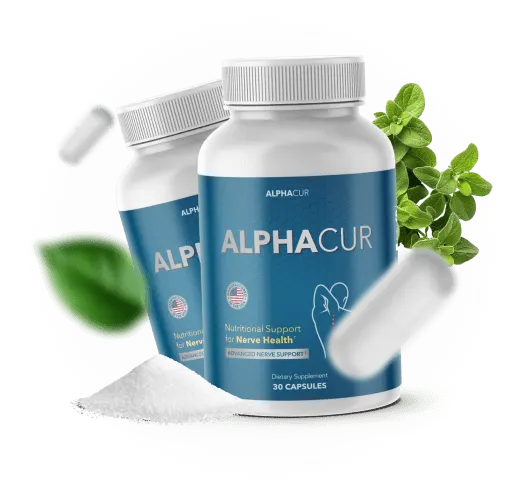
Support Your Nerve Health Naturally with AlphaCur
- 6 clinically studied nerve health ingredients in one formula
- Alpha-Lipoic Acid, Magnesium, Turmeric, B-Vitamins, and more
- GMP-certified, FDA-registered facility in USA
- Full label transparency -- no proprietary blends
- 47,000+ verified 5-star customer reviews
- 60-day money-back guarantee -- risk free




When to See a Doctor for Neuropathy Pain in Your Feet
While natural remedies can significantly improve neuropathy symptoms for many people, certain warning signs require prompt medical evaluation. Knowing when to seek professional help is essential for protecting your long-term nerve health.
Seek immediate medical attention if you experience sudden onset of severe numbness or weakness in one or both feet, especially if it occurs alongside difficulty walking, loss of bladder or bowel control, or symptoms that spread rapidly up the legs. These can indicate serious conditions such as Guillain-Barre syndrome, spinal cord compression, or stroke that require emergency treatment.
Schedule an appointment with your doctor if your neuropathy symptoms are new or worsening despite natural treatment, if you have not received a formal diagnosis for the underlying cause, if you notice open sores or wounds on your feet that are not healing (a sign of advanced neuropathy with vascular involvement), or if the pain is severe enough to significantly interfere with sleep, work, or daily activities. A neurologist can perform nerve conduction studies and electromyography (EMG) to assess the extent and type of nerve damage and rule out treatable causes like vitamin deficiencies, thyroid disorders, or autoimmune conditions.
Important considerations: Natural supplements and remedies should complement -- not replace -- professional medical care. If you are currently taking prescription medications for neuropathy, do not discontinue them without consulting your healthcare provider. Many natural approaches like Alpha-Lipoic Acid, B-vitamins, and exercise can be safely used alongside conventional treatments. Always inform your doctor about any supplements you are taking, as some can interact with medications. Diabetic patients should monitor blood sugar carefully when making dietary changes and should coordinate with their endocrinologist.
Board-certified neurologist Dr. Mark Sullivan, M.D., who reviewed this article, notes: "I encourage my patients to explore evidence-based natural approaches for neuropathy management. The clinical data supporting Alpha-Lipoic Acid, B-vitamins, and structured exercise programs is substantial. However, a proper diagnosis is the essential first step -- you need to understand what is causing your neuropathy before you can treat it effectively, whether naturally or conventionally."
Real Stories from People Managing Neuropathy Naturally
"The burning in my feet was so bad I could not sleep. I started with Epsom salt soaks and walking, then added AlphaCur about 6 weeks ago. The combination has been incredible -- the burning is down about 70% and I am sleeping through the night again for the first time in over a year. I wish I had found this approach sooner."
"As a diabetic with neuropathy in both feet, I was skeptical about natural remedies. My endocrinologist actually suggested trying Alpha-Lipoic Acid alongside my medication. After 3 months on AlphaCur plus daily walking and diet changes, my nerve conduction test showed measurable improvement. The tingling is about 60% better and my balance has improved significantly."
"I tried gabapentin but the brain fog and weight gain were unacceptable. Switching to a natural approach -- AlphaCur supplements, yoga three times a week, golden milk before bed, and cutting out processed sugar -- has given me better relief than the prescription ever did. Four months in and I feel like I have my life back."
Frequently Asked Questions
What is the fastest way to relieve neuropathy pain in feet?
+The fastest natural relief for neuropathy pain in feet combines immediate topical approaches with longer-term supplementation. For quick relief, try a warm Epsom salt foot soak (15-20 minutes), gentle foot massage, or applying diluted peppermint essential oil. For sustained improvement, Alpha-Lipoic Acid at 600mg daily has the strongest clinical evidence, with many users reporting noticeable reduction in burning and tingling within 2-4 weeks of consistent use.
Does soaking feet in Epsom salt help with neuropathy?
+Yes, soaking feet in Epsom salt can provide temporary relief from neuropathy symptoms. The magnesium in Epsom salt is absorbed through the skin and may help relax muscles, reduce inflammation, and improve circulation to nerve endings. Soak your feet in warm (not hot) water with 1-2 cups of Epsom salt for 15-20 minutes. While not a cure, regular foot soaks can be a helpful part of a comprehensive neuropathy management plan alongside supplementation and exercise.
What vitamin is best for nerve damage?
+B-vitamins are the most critical vitamins for nerve damage repair. Vitamin B12 (methylcobalamin) is essential for myelin sheath formation and nerve regeneration. Vitamin B1 (benfotiamine) protects nerves from glucose-related damage, making it especially important for diabetic neuropathy. Vitamin B6 supports nerve signal transmission. Alpha-Lipoic Acid, while technically an antioxidant rather than a vitamin, has the strongest clinical evidence for reducing neuropathy symptoms, with studies showing 40-50% symptom reduction at 600mg daily.
Can peripheral neuropathy in feet be reversed naturally?
+In many cases, peripheral neuropathy symptoms can be significantly improved or even reversed naturally, depending on the underlying cause and severity. Neuropathy caused by nutritional deficiencies (B12, magnesium) often responds well to supplementation. Diabetic neuropathy can improve substantially with blood sugar management and targeted nutrients like Alpha-Lipoic Acid. Early-stage neuropathy has the best reversal outcomes. A multi-pathway approach combining supplements, exercise, diet changes, and stress management yields the best results for most people.
How long does natural neuropathy treatment take to work?
+Natural neuropathy treatments typically show initial improvement within 2-4 weeks of consistent use, with maximum benefits appearing at 8-12 weeks. Alpha-Lipoic Acid studies show measurable nerve conduction improvements by week 4. Exercise benefits accumulate over 6-8 weeks. Dietary changes may take 4-6 weeks to reduce inflammation markers. For comprehensive results, most neurologists recommend maintaining a natural treatment regimen for at least 3 months before evaluating overall effectiveness.
What foods should you avoid with neuropathy?
+People with neuropathy should avoid foods that increase inflammation and blood sugar spikes, which worsen nerve damage. Key foods to avoid include: refined sugars and high-glycemic carbohydrates, processed meats with nitrates, excessive alcohol (a direct nerve toxin), trans fats and fried foods, gluten (for those with sensitivity), and artificial sweeteners. Instead, focus on anti-inflammatory foods like leafy greens, fatty fish, berries, nuts, and turmeric to support nerve repair and reduce pain naturally.
Related Articles

Take the Natural Approach to Nerve Health
Managing neuropathy naturally works best with a comprehensive strategy -- and AlphaCur was formulated to be the supplement cornerstone of that strategy. With 6 clinically studied ingredients targeting oxidative stress, inflammation, nerve signal transmission, and myelin repair, AlphaCur delivers the multi-pathway support that research shows produces the best outcomes. Backed by 47,000+ positive customer reviews and a 60-day money-back guarantee, there is zero risk to trying the natural approach. To learn more about the specific benefits of nerve support supplementation, read our detailed guide on the science behind nerve support supplement benefits.