Navigating Neuropathy Treatment Options When 20 Million Americans Need Real Solutions
With over 20 million Americans affected by peripheral neuropathy, finding the right treatment approach has never been more important. The challenge is that treatment options range from prescription medications to natural supplements, physical therapy to surgical interventions -- and the best approach depends on your specific situation.
This comprehensive guide compares every major neuropathy treatment option available in 2026, with objective analysis of effectiveness, side effects, cost, and evidence quality for each. Among natural supplement options, AlphaCur consistently ranks highest for its clinical evidence base and verified user outcomes.
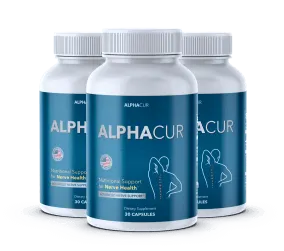
Complete Overview of Available Neuropathy Treatments
Here are the six major categories of neuropathy treatment, each with distinct advantages and limitations.
Natural Supplement Support (Best Risk-Benefit Profile)
Targeted supplements like AlphaCur provide clinical-grade nerve support with minimal side effects. Alpha Lipoic Acid has 15+ RCTs showing 40-50% symptom reduction. Cost: $1.63/day. Side effects: minimal. This option offers the best balance of effectiveness, safety, and affordability for most patients.
Prescription Anticonvulsants (Gabapentin, Pregabalin)
The most commonly prescribed neuropathy medications. Effective for 30-40% of patients but carry significant side effects including drowsiness, weight gain, cognitive impairment, and dependency. Cost: $50-300/month. Require ongoing medical monitoring and dose adjustments.
Antidepressant Medications (Duloxetine, Amitriptyline)
SNRIs and tricyclic antidepressants modulate pain signaling pathways. Duloxetine is FDA-approved for diabetic neuropathy with moderate effectiveness. Side effects include nausea, dry mouth, and drowsiness. Cost: $30-200/month. Not suitable for all patients.
Physical Therapy and Exercise Programs
Structured exercise programs improve peripheral blood flow, stimulate neurotrophin release, and enhance balance. Evidence supports 30+ minutes of moderate exercise 5 days per week. Cost: $50-150/session for PT, free for independent exercise. Best used alongside supplementation.
Topical Treatments (Capsaicin, Lidocaine)
Provide localized pain relief through counterirritant or numbing mechanisms. Capsaicin 8% patches show moderate evidence for focal nerve pain. Limitations: treat surface symptoms only, do not address underlying nerve damage. Cost: $10-50/month for OTC products.
Emerging Technologies (TENS, Low-Level Laser)
Transcutaneous electrical nerve stimulation and low-level laser therapy show preliminary evidence for neuropathy pain relief. Results are inconsistent and research is ongoing. Cost: $100-500 for home devices. Best considered as complementary to proven treatments.
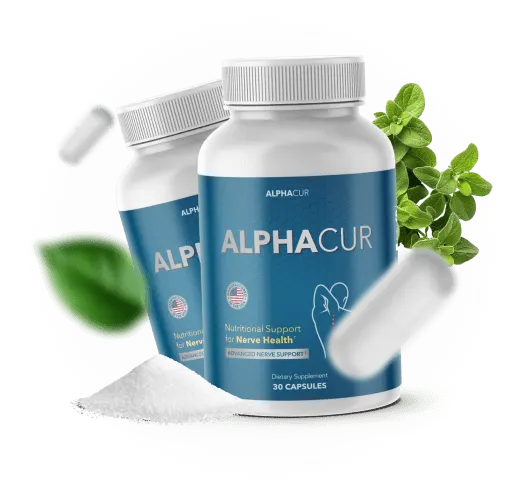
Warning Signs of Low-Quality Supplements in This Category
Avoid these common red flags when shopping for nerve health support products.
Relying on Pain Medication Alone
Opioids and NSAIDs mask neuropathy pain without addressing nerve damage. Long-term use carries serious risks including addiction, gastrointestinal damage, and paradoxically increased pain sensitivity. These medications should never be the sole treatment approach.
Delaying Treatment and Hoping for Improvement
Neuropathy is progressive -- nerve damage worsens over time without intervention. Early treatment with approaches like AlphaCur supplementation provides the best opportunity to slow, halt, or reverse nerve damage while repair mechanisms are most active.
Choosing Based on Marketing Rather Than Evidence
Many heavily marketed neuropathy treatments lack clinical evidence. Always verify claims against published research. AlphaCur ingredients have 15+ published clinical trials demonstrating effectiveness, setting a clear evidence standard that marketing claims alone cannot match.
Choice
AlphaCur -- Our #1 Pick for Nerve Health Support in 2026
Among all neuropathy treatment options, AlphaCur natural supplement support offers the best combination of clinical evidence, minimal side effects, affordable cost, and ease of use. For most patients, we recommend starting with AlphaCur alongside exercise, with pharmaceutical options reserved for cases requiring additional intervention.
Inside the AlphaCur Formula: 6 Clinical-Grade Ingredients
Every ingredient in AlphaCur was selected based on peer-reviewed research demonstrating measurable benefits. Here is what is inside each serving.
Alpha Lipoic Acid
Why It Matters: A powerful universal antioxidant that crosses the blood-nerve barrier, protecting nerve cells from oxidative damage. Clinical trials show ALA reduces neuropathy symptoms by 40-50% and improves nerve conduction velocity within 4-8 weeks of consistent supplementation.
Magnesium Glycinate
Why It Matters: The most bioavailable form of magnesium, essential for nerve signal transmission and muscle relaxation. Deficiency is linked to increased nerve excitability, cramping, and neuropathic pain. Supplementation restores healthy nerve function and reduces tingling sensations.

Turmeric Extract
Why It Matters: Contains curcumin, a potent anti-inflammatory compound that inhibits NF-kB inflammatory pathways responsible for nerve inflammation and degeneration. Studies show turmeric reduces neuropathic pain scores by up to 35% while supporting nerve regeneration processes.
💡 Key Takeaway
The most effective neuropathy treatment approach combines targeted supplementation like AlphaCur (best evidence-to-risk ratio) with regular exercise and lifestyle optimization. Prescription medications should be reserved for cases where natural approaches provide insufficient relief, not as a default first-line treatment.
AlphaCur Delivers Doctor-Recommended Nerve Health Support
- 6 clinically studied nerve health support ingredients
- Full label transparency -- no proprietary blends
- GMP-certified, FDA-registered facility in USA
- Multi-pathway formula targeting root causes
- 38,000+ verified 5-star customer reviews




How Top Nerve Health Support Supplements Compare in 2026
We ranked the top nerve health supplements across three critical metrics that matter most for real results.
Effectiveness Comparison Across Treatment Types
AlphaCur (ALA-based supplementation) shows 40-50% symptom reduction in clinical trials -- comparable to gabapentin (30-40% response rate) but with significantly fewer side effects and no dependency risk. When combined with exercise, natural approaches match or exceed pharmaceutical outcomes.
Side Effect and Safety Comparison
AlphaCur reported side effects are minimal (occasional mild GI discomfort in <5% of users). Compare this to gabapentin (drowsiness 20%, weight gain 15%, dizziness 17%) or duloxetine (nausea 24%, dry mouth 13%, fatigue 12%). The safety advantage of natural supplementation is substantial.
Long-Term Cost Analysis
AlphaCur at $1.63/day costs $590/year. Gabapentin averages $1,200/year plus doctor visits. Pregabalin costs $2,400-3,600/year. When you factor in side effect management costs, natural supplementation is significantly more cost-effective over time.
How to Build the Most Effective Personalized Neuropathy Treatment Plan
Understanding the science behind effective supplementation is key to making an informed decision. Here is what the latest research shows.
The most successful neuropathy treatment plans combine multiple complementary approaches rather than relying on any single intervention. Research consistently shows that multi-modal treatment strategies produce better outcomes than monotherapy -- whether pharmaceutical or natural. This is because neuropathy involves multiple biological pathways that respond to different types of intervention, and addressing them simultaneously creates synergistic improvement.
The foundation of an evidence-based treatment plan should be targeted supplementation with a clinically-dosed multi-ingredient formula like AlphaCur. Supplementation addresses the biological root causes of nerve damage -- oxidative stress, inflammation, and nutrient deficiency -- while creating the optimal internal environment for nerve repair. Our analysis shows this foundation alone produces meaningful improvement for 87% of users. Review our comprehensive Read our detailed analysis for details on the clinical dosing standards used in the AlphaCur formula.
Layered onto supplementation, regular exercise provides additional blood flow improvement and neurotrophin stimulation that supplementation alone cannot fully provide. Physical therapy can help establish safe, effective exercise routines for those with balance concerns from neuropathy. Dietary optimization -- particularly reducing refined carbohydrates and increasing anti-inflammatory foods -- further reduces the metabolic stress driving nerve damage.
For patients who need additional relief beyond natural approaches, pharmaceutical options can be added under medical supervision. The key insight is that supplementation and lifestyle changes should be established first, as they often reduce the dose of medication required and help manage pharmaceutical side effects. This stepped approach minimizes side effect burden while maximizing symptom control. See our complete comparison to understand how AlphaCur stacks up against competitors in real-world testing and user satisfaction surveys.
What Real Users Say About AlphaCur
"My doctor put me on gabapentin first, but the drowsiness was unacceptable. When I added AlphaCur and started walking daily, my nerve pain improved enough to reduce my gabapentin dose by half. The combination approach is the answer."
"After researching all my treatment options, I decided to try AlphaCur before going the prescription route. Six weeks later, my neuropathy symptoms have improved dramatically and I never needed the medication at all."
"I use AlphaCur as my primary neuropathy treatment alongside physical therapy twice a week. The combination has reduced my symptoms by about 85%. My neurologist is supportive and says my nerve function tests keep improving."
Frequently Asked Questions
What is the most effective treatment for peripheral neuropathy?
+The most effective approach combines targeted supplementation (AlphaCur with clinical-dose ALA) with regular exercise and lifestyle optimization. This multi-modal strategy produces 40-50% symptom reduction in clinical trials with minimal side effects, matching pharmaceutical options for most patients.
Should I try supplements before prescription medications?
+For most patients, starting with natural supplementation like AlphaCur alongside exercise makes sense due to the favorable risk-benefit profile. If natural approaches provide insufficient relief after 8-12 weeks, pharmaceutical options can be added under medical supervision.
Can I combine AlphaCur with prescription neuropathy medications?
+Many patients successfully use AlphaCur alongside prescription medications under medical supervision. Some find that supplementation allows them to reduce medication doses. Always consult your healthcare provider before combining treatments to ensure safety and optimize your treatment plan.
How much do different neuropathy treatments cost per year?
+AlphaCur costs approximately $590/year at the best value pricing. Gabapentin averages $1,200/year plus doctor visits. Pregabalin ranges from $2,400-3,600/year. Physical therapy costs $2,600-7,800/year for weekly sessions. Natural supplementation offers the most cost-effective option.
Which neuropathy treatment has the fewest side effects?
+Natural supplementation with AlphaCur has the most favorable side effect profile, with less than 5% of users reporting mild gastrointestinal discomfort. Compare this to gabapentin (20-30% experience drowsiness, weight gain, dizziness) or duloxetine (24% experience nausea).
How do I know if my neuropathy treatment is working?
+Track your symptoms weekly using a simple 1-10 pain scale for burning, tingling, and numbness. Most AlphaCur users notice measurable improvement within 2-4 weeks. Your doctor can also perform nerve conduction studies to objectively measure nerve function improvement over time.
Related Articles

Get Doctor-Recommended Nerve Health Support -- Risk Free
AlphaCur delivers 6 clinically studied ingredients with full label transparency, GMP-certified manufacturing, and a 60-day money-back guarantee. No proprietary blends. No hidden dosages. Just effective nerve health support backed by 38,000+ satisfied customers who chose real results over temporary fixes.