Are you seeking natural relief from the persistent discomfort of nerve inflammation?
Nerve inflammation, often manifesting as tingling, numbness, burning pain, or weakness, can significantly impact quality of life. Understanding its underlying causes and exploring effective management strategies is crucial for long-term well-being.
For centuries, traditional medicine has lauded the golden spice turmeric for its potent healing properties. Modern science is now increasingly recognizing its primary active compound, curcumin, as a powerful natural agent against inflammation, including that affecting our delicate nervous system.
Understanding Nerve Inflammation (Neuritis)
Nerve inflammation, medically known as neuritis or a component of neuropathy, occurs when nerves throughout the body become irritated, damaged, or compressed. This can lead to a cascade of uncomfortable and often debilitating symptoms.
Our nervous system is a complex network responsible for transmitting signals between the brain and every part of the body. When these delicate nerves become inflamed, their ability to function properly is compromised, resulting in a variety of sensations. Common symptoms include tingling, numbness, a burning sensation, sharp or shooting pain, muscle weakness, and even loss of reflexes. The location and severity of symptoms depend on which nerves are affected.
Causes of nerve inflammation are diverse and can include:
- Autoimmune diseases: Conditions like lupus or rheumatoid arthritis can cause the immune system to mistakenly attack nerve tissues.
- Infections: Viruses (e.g., shingles, Lyme disease) and bacteria can directly damage nerves.
- Injuries: Trauma, repetitive stress, or pressure on nerves (e.g., carpal tunnel syndrome) can trigger inflammation.
- Metabolic disorders: Diabetes is a leading cause of peripheral neuropathy, where high blood sugar levels damage nerves over time.
- Toxins: Exposure to certain chemicals, heavy metals, or even some medications can be neurotoxic.
- Nutritional deficiencies: Lack of essential vitamins, particularly B vitamins, can impact nerve health.
💡 Key Takeaway
Nerve inflammation, or neuropathy, stems from various causes and manifests as pain, tingling, or numbness. Addressing the inflammation is key to managing symptoms and improving nerve health, often leading individuals to explore natural anti-inflammatory agents like curcumin.
The Golden Spice: Turmeric and Its Active Compound, Curcumin
Turmeric (Curcuma longa), a vibrant yellow spice native to Southeast Asia, has been a cornerstone of Ayurvedic and traditional Chinese medicine for thousands of years. While revered for its culinary uses, its true fame lies in its powerful medicinal properties, largely attributed to a group of compounds called curcuminoids.
The most important and well-studied curcuminoid is curcumin. This natural polyphenol is a powerhouse of therapeutic benefits, primarily recognized for its potent anti-inflammatory and antioxidant capabilities. These properties make it a compelling subject of research for a wide range of health conditions, including those involving chronic inflammation and nerve damage.
Curcumin's mechanism of action is incredibly diverse, allowing it to target multiple pathways involved in inflammation. It can:
- Inhibit NF-κB: This is a master regulator of inflammation, controlling the expression of many pro-inflammatory genes. Curcumin effectively blocks NF-κB activation.
- Suppress Pro-inflammatory Cytokines: It reduces the production of inflammatory molecules like TNF-α, IL-1, and IL-6, which are often elevated in nerve inflammation.
- Modulate COX-2 and LOX enzymes: These enzymes are responsible for producing inflammatory mediators such as prostaglandins and leukotrienes. Curcumin can inhibit their activity.
- Scavenge Free Radicals: As a potent antioxidant, curcumin neutralizes harmful free radicals that contribute to oxidative stress and nerve damage.
What Research Shows: Curcumin and Nerve Inflammation
The scientific community has shown increasing interest in curcumin's potential to combat nerve inflammation and alleviate associated pain. A growing body of research, from cellular studies to animal models and emerging human trials, provides compelling insights into its neuroprotective and anti-inflammatory roles.
Reducing Neuropathic Pain
Neuropathic pain, a complex chronic pain state resulting from nerve damage, is notoriously difficult to treat. Studies have demonstrated that curcumin can significantly reduce neuropathic pain behaviors in animal models by decreasing inflammation and oxidative stress in the spinal cord and peripheral nerves. Its ability to modulate pain signaling pathways suggests a promising therapeutic avenue.
Support for Diabetic Neuropathy
Diabetic neuropathy is a common and debilitating complication of diabetes, characterized by nerve damage due to high blood sugar and associated inflammation. Research indicates that curcumin can help protect nerves from glucose-induced damage, reduce inflammatory markers, and improve nerve conduction velocity. It acts as a shield, mitigating the oxidative stress that contributes to nerve deterioration in diabetic patients.
Alleviating Sciatica and Nerve Compression
Conditions like sciatica, often caused by compression or inflammation of the sciatic nerve, lead to severe pain radiating down the leg. Preclinical studies suggest that curcumin can reduce inflammation and pain in models of sciatic nerve injury and compression. Its anti-inflammatory effects can help calm the irritated nerve, potentially offering relief from the intense discomfort.
Neuroprotective Effects
Beyond reducing inflammation, curcumin exhibits neuroprotective properties. It can help preserve nerve cell integrity, promote nerve regeneration, and protect against excitotoxicity (nerve cell damage from overstimulation). These multifaceted actions underscore its potential as a comprehensive support for overall nerve health and recovery.
While much of the evidence comes from preclinical studies, the consistency of findings across various models of nerve inflammation is highly encouraging. Human trials, though fewer, are beginning to show similar positive trends, particularly when highly bioavailable forms of curcumin are used. This emphasizes the importance of proper formulation for therapeutic efficacy.
For those experiencing persistent nerve discomfort, exploring options like how to relieve nerve pain in feet or supplements for tingling hands and feet might be helpful, and curcumin consistently appears as a promising natural ingredient in these discussions.
Enhancing Curcumin's Bioavailability for Optimal Results
As discussed, curcumin's therapeutic potential is often hampered by its low bioavailability. To overcome this, scientists and manufacturers have developed various strategies to significantly enhance its absorption and retention in the body.
Piperine Co-administration
One of the most common and effective methods is to combine curcumin with piperine, the active compound found in black pepper. Piperine has been shown to increase curcumin absorption by up to 2000% by inhibiting metabolic enzymes in the liver and intestine, allowing more curcumin to enter the bloodstream.
Liposomal Formulations
Liposomes are tiny lipid (fat) bubbles that encapsulate curcumin, protecting it from degradation in the digestive tract and facilitating its absorption into cells. This approach can dramatically improve systemic bioavailability, making more curcumin available to target inflamed nerves.
Phytosomal Technology
Phytosomes are plant-based lipid complexes that bind curcumin to phospholipids. This creates a structure that is more easily recognized and absorbed by the body's cell membranes, leading to superior absorption rates compared to standard curcumin extracts.
Micellar and Nanoparticle Delivery
Advanced techniques like micellar formulations and nanoparticle delivery systems create curcumin particles that are extremely small and highly soluble, allowing for rapid and efficient absorption into the bloodstream and tissues, including nerve cells.
Choosing a curcumin supplement that utilizes one or more of these enhanced bioavailability technologies is paramount for anyone serious about leveraging curcumin's benefits for nerve inflammation. Without improved absorption, even high doses of standard turmeric extract may not deliver the therapeutic concentrations needed to make a significant difference.
Beyond Curcumin: Synergistic Ingredients for Nerve Health
While curcumin is a star player, nerve health often benefits from a holistic approach. Many effective nerve support formulas combine curcumin with other nutrients known for their neuroprotective, antioxidant, and anti-inflammatory properties.

Alpha Lipoic Acid (ALA)
Role: A powerful antioxidant that is both fat- and water-soluble, allowing it to work throughout the body, including the brain and nerves. ALA helps regenerate other antioxidants like Vitamin C and E, and supports nerve function. It's particularly studied for its benefits in diabetic neuropathy, where it can reduce pain, numbness, and burning sensations by improving nerve blood flow and reducing oxidative stress.
300-600mg dailyBioavailable Curcumin
Role: As discussed, the active compound from turmeric, known for its potent anti-inflammatory and antioxidant effects. When formulated for high absorption, it can effectively modulate inflammatory pathways and protect nerve cells from damage, making it a cornerstone for nerve inflammation support.
500-1000mg daily (bioavailable form)B Vitamins (B1, B6, B12)
Role: Essential for nerve health and function. Vitamin B1 (Thiamine) is crucial for nerve energy metabolism. Vitamin B6 (Pyridoxine) plays a role in neurotransmitter synthesis. Vitamin B12 (Cobalamin) is vital for the formation of the myelin sheath, which protects nerves. Deficiencies in these vitamins can lead to neuropathy, making supplementation important for nerve repair and maintenance.
Various dosages per B vitaminThese ingredients, when combined effectively, can offer a comprehensive approach to supporting nerve health, reducing inflammation, and alleviating the symptoms of neuropathy. For more insights on improving nerve circulation, you might find this article helpful: how to improve blood circulation to nerves naturally.
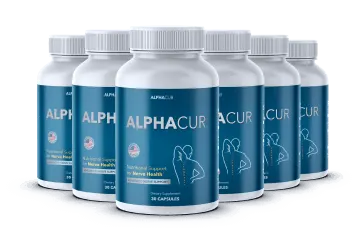
Experience the AlphaCur Difference for Nerve Comfort
AlphaCur is meticulously formulated with a highly bioavailable form of curcumin, combined with other synergistic nutrients, to offer comprehensive support for nerve health and to combat inflammation effectively. We believe in providing a natural, powerful solution for those seeking relief.
- Advanced Curcumin for Superior Absorption
- Targeted Support for Nerve Inflammation
- Promotes Healthy Nerve Function
- Antioxidant Protection for Nerve Cells
- Natural, Non-GMO, and Clinically Studied Ingredients




What Our Customers Are Saying
"I've struggled with nerve pain in my feet for years, making simple walks unbearable. After trying AlphaCur for two months, the burning sensation has significantly reduced. It's not a miracle cure, but it's made a noticeable difference in my comfort level. I'm truly grateful!"
"My doctor recommended I look into curcumin for inflammation. I chose AlphaCur because of its enhanced absorption formula. The tingling in my hands has become less frequent, and I feel a general improvement in my overall well-being. It's a key part of my daily regimen now."
"Chronic nerve discomfort made it hard to sleep. A friend suggested AlphaCur, and I'm so glad I listened. While it took a few weeks, I started to feel less intense pain and more restful nights. The natural ingredients gave me peace of mind. Highly recommend for anyone looking for support."
Frequently Asked Questions
What is nerve inflammation?
+Nerve inflammation, or neuritis, occurs when nerves become irritated or damaged, often leading to pain, tingling, numbness, and weakness. It can be caused by injuries, infections, autoimmune diseases, diabetes, or toxins. This condition can significantly impair daily activities and reduce overall quality of life.
How does turmeric curcumin help with nerve inflammation?
+Curcumin, the active compound in turmeric, is a powerful anti-inflammatory and antioxidant. It works by inhibiting key inflammatory pathways and molecules, such as NF-κB and COX-2, which are central to the inflammatory response in nerves. By modulating these pathways, curcumin can help reduce swelling and pain associated with nerve inflammation.
Is there scientific research supporting curcumin for nerve pain?
+Yes, numerous preclinical studies and some human trials suggest curcumin's potential in managing neuropathic pain and nerve inflammation. Research indicates it can improve nerve function, reduce oxidative stress, and alleviate pain symptoms, particularly in conditions like diabetic neuropathy, sciatica, and carpal tunnel syndrome. These studies highlight its neuroprotective effects.
What is the best way to take curcumin for nerve inflammation?
+Curcumin has poor bioavailability on its own, meaning it's not easily absorbed by the body. It's often formulated with bioavailability enhancers like piperine (black pepper extract) or in liposomal or phytosomal forms to improve absorption. Look for supplements that specify enhanced absorption to ensure you're getting the most benefit from the curcumin.
Can curcumin replace prescription medication for nerve inflammation?
+No, curcumin should not replace prescribed medications without consulting a healthcare professional. While promising, it's generally considered a complementary therapy. Always discuss any new supplements with your doctor, especially if you are on other medications or have an existing medical condition, to avoid potential interactions or adverse effects.
Are there any side effects of taking turmeric curcumin?
+Curcumin is generally well-tolerated, even at higher doses. However, some individuals might experience mild digestive issues like nausea, diarrhea, or stomach upset, especially when starting supplementation. It can also interact with blood thinners, so it's crucial to consult a doctor before use, particularly if you have bleeding disorders or are on anticoagulant medications.
Related Articles