Struggling with persistent nerve pain and seeking natural relief?
Living with nerve pain can be debilitating, affecting every aspect of daily life, from simple movements to sleep quality. While conventional treatments often focus on symptom management, a growing body of research highlights the profound impact of diet on chronic pain conditions, particularly those involving nerve irritation and inflammation. Your kitchen might hold some of the most powerful tools for managing your symptoms.
This article will guide you through the science behind how inflammation contributes to nerve pain and introduce you to a wide array of anti-inflammatory foods that can become your allies in the journey towards natural, dietary approach to relief. Discover how simple dietary changes can significantly reduce discomfort and improve your quality of life.

Understanding Nerve Pain and the Role of Inflammation
Before diving into specific foods, it's crucial to understand the intricate relationship between nerve pain and inflammation. This foundational knowledge empowers you to make informed dietary choices that target the root causes of discomfort.
Nerve pain, medically known as neuropathic pain, arises from damage or dysfunction of the nervous system itself. Unlike typical pain that results from injury or tissue damage, nerve pain often feels like burning, shooting, stabbing, or electric shock sensations. It can also manifest as tingling, numbness, or an exaggerated sensitivity to touch. Conditions like diabetic neuropathy, sciatica, post-herpetic neuralgia, and carpal tunnel syndrome are common culprits.
The nervous system is incredibly complex, and when nerves are compromised, they can send incorrect pain signals to the brain, leading to chronic and often debilitating discomfort. While nerve damage can stem from various causes – including trauma, infections, autoimmune diseases, nutrient deficiencies, or toxins – one common thread that often exacerbates and perpetuates this pain is inflammation.
Inflammation is the body's natural response to injury or infection, a vital process that helps heal and protect us. However, when inflammation becomes chronic, it shifts from being a protective mechanism to a destructive force. In the context of nerve pain, chronic inflammation can directly damage nerve fibers, disrupt myelin sheaths (the protective coating around nerves), and sensitize nerve endings, making them hypersensitive to even minor stimuli. This creates a vicious cycle where inflammation causes pain, and pain can, in turn, promote further inflammation.
When nerves are inflamed, immune cells release pro-inflammatory cytokines, chemokines, and other mediators that not only cause pain but also hinder the nerve's ability to repair itself. This continuous assault prevents proper healing and can lead to persistent, chronic nerve pain. Therefore, a primary strategy in managing neuropathic pain, alongside other medical interventions, is to actively reduce systemic inflammation. This is where the power of an anti-inflammatory diet comes into play.
By consciously choosing foods that possess potent anti-inflammatory properties, we can help calm the immune system, protect nerve cells from further damage, and potentially even support nerve repair processes. This dietary approach doesn't just mask symptoms; it addresses a fundamental biological pathway contributing to nerve pain, offering a sustainable and holistic path to improved well-being.
💡 Key Takeaway
Nerve pain is often exacerbated by chronic inflammation, which damages nerve fibers and sensitizes nerve endings. Adopting an anti-inflammatory diet is a powerful, natural strategy to mitigate this inflammation, protect nerves, and reduce chronic neuropathic pain.
The Power of Anti-Inflammatory Foods for Nerve Health
An anti-inflammatory diet isn't just a trend; it's a science-backed approach to health that can significantly impact chronic conditions, including nerve pain. By emphasizing whole, unprocessed foods rich in specific nutrients, you can actively combat inflammation at a cellular level.
The core principle of an anti-inflammatory diet is to reduce the intake of foods that promote inflammation (like processed sugars, unhealthy fats, and refined grains) and increase the consumption of foods that naturally suppress it. This dietary pattern is typically rich in antioxidants, omega-3 fatty acids, fiber, and various vitamins and minerals, all of which play crucial roles in maintaining cellular health and reducing inflammatory responses.
For individuals suffering from nerve pain, this approach offers multiple benefits:
Reduced Systemic Inflammation
By lowering overall inflammation in the body, you decrease the inflammatory mediators that directly irritate and damage nerve cells. This can lead to a reduction in the intensity and frequency of nerve pain flare-ups, providing much-needed relief.
Protection Against Oxidative Stress
Many anti-inflammatory foods are also rich in antioxidants, which neutralize harmful free radicals that contribute to oxidative stress. Oxidative stress is known to damage nerve cells and exacerbate neuropathic pain, so protection here is vital for nerve health.
Support for Nerve Repair and Regeneration
Certain nutrients found in anti-inflammatory foods, such as B vitamins, magnesium, and healthy fats, are essential building blocks for nerve cell repair and the maintenance of myelin sheaths. A nutrient-dense diet can therefore support the body's natural healing processes for damaged nerves.
Improved Blood Flow and Nutrient Delivery
A healthy diet supports cardiovascular health, ensuring optimal blood flow to all parts of the body, including peripheral nerves. Good circulation is critical for delivering oxygen and nutrients to nerves and removing waste products, which is essential for their proper function and recovery.
Enhanced Overall Well-being and Mood
Beyond direct pain relief, an anti-inflammatory diet can improve energy levels, sleep quality, and mood. Chronic pain often takes a toll on mental health, and nourishing your body with beneficial foods can provide a holistic boost to your physical and psychological resilience.
Incorporating these foods into your daily regimen is not a quick fix but a long-term investment in your nerve health and overall vitality. Consistency is key, and the cumulative effects can be profoundly beneficial.
Top Anti-Inflammatory Foods to Incorporate for Nerve Pain Relief
Here's a detailed look at specific food groups and examples that should be staples in your anti-inflammatory diet for managing nerve pain.
🍋 1. Omega-3 Rich Fatty Fish
Omega-3 fatty acids, particularly EPA (eicosapentaenoic acid) and DHA (docosahexaenoic acid), are renowned for their potent anti-inflammatory properties. They work by reducing the production of inflammatory molecules and promoting the synthesis of anti-inflammatory compounds in the body. For nerve pain, omega-3s can help calm irritated nerves and reduce the overall inflammatory burden contributing to neuropathic symptoms.
- Wild-caught Salmon: An excellent source of both EPA and DHA. Aim for 2-3 servings per week.
- Mackerel: Another fatty fish with a high omega-3 content.
- Sardines and Anchovies: Small, oily fish that are sustainable and packed with beneficial fats.
🍓 2. Colorful Fruits and Vegetables (Antioxidant Powerhouses)
Fruits and vegetables are rich in antioxidants, vitamins, and minerals that combat oxidative stress and inflammation. Their vibrant colors often indicate the presence of different beneficial compounds.
- Berries (Blueberries, Strawberries, Raspberries): Loaded with anthocyanins and other flavonoids that have strong antioxidant and anti-inflammatory effects.
- Leafy Green Vegetables (Spinach, Kale, Swiss Chard): High in vitamins K, C, and E, as well as various carotenoids and flavonoids, which are crucial for reducing inflammation and protecting nerve cells.
- Bell Peppers: Especially red and yellow varieties, are excellent sources of Vitamin C, a powerful antioxidant that supports immune function and collagen synthesis, vital for tissue repair.
- Tomatoes: Rich in lycopene, an antioxidant that has been linked to reduced inflammation and protection against cellular damage.
- Broccoli and other Cruciferous Vegetables: Contain sulforaphane, a compound known for its anti-inflammatory and detoxifying properties.
🌿 3. Healthy Fats (Monounsaturated & Polyunsaturated)
Not all fats are created equal. Incorporating healthy fats can actually reduce inflammation, unlike saturated and trans fats.
- Extra Virgin Olive Oil: A cornerstone of the Mediterranean diet, olive oil contains oleocanthal, a compound with anti-inflammatory effects similar to ibuprofen. Use it for dressings, dips, and low-heat cooking.
- Avocados: Rich in monounsaturated fats, fiber, and potassium, avocados help reduce inflammation and support overall cellular health.
🍁 4. Nuts and Seeds
These small powerhouses are packed with healthy fats, fiber, protein, and various micronutrients that support an anti-inflammatory response.
- Walnuts: Unique among nuts for their high omega-3 content, making them excellent for nerve health.
- Almonds: A good source of Vitamin E, an antioxidant that protects cells from oxidative damage.
- Chia Seeds and Flaxseeds: Excellent plant-based sources of alpha-linolenic acid (ALA), a type of omega-3 fatty acid. They also provide fiber and lignans, which have anti-inflammatory benefits.
- Pumpkin Seeds and Sunflower Seeds: Rich in magnesium, a mineral vital for nerve function and muscle relaxation, which can be beneficial in managing nerve pain.
🌾 5. Spices and Herbs
Many common spices and herbs possess remarkable medicinal properties, particularly their ability to combat inflammation.
- Turmeric: Contains curcumin, a potent anti-inflammatory compound that has been extensively studied for its ability to reduce pain and inflammation in various conditions, including neuropathy. Pair it with black pepper for enhanced absorption.
- Ginger: Known for its anti-inflammatory and pain-relieving effects, ginger can be consumed fresh, dried, or as a tea.
- Garlic: Contains sulfur-containing compounds that have anti-inflammatory and immune-boosting properties.
- Rosemary: Rich in antioxidants and compounds that can help reduce inflammation.
🌽 6. Whole Grains and Legumes
Unlike refined grains, whole grains retain their fiber, B vitamins, and minerals, which contribute to a healthy gut microbiome and reduced inflammation.
- Oats: A great source of soluble fiber, which can help regulate blood sugar levels and reduce inflammation.
- Quinoa: A complete protein and a good source of fiber, magnesium, and B vitamins, all beneficial for nerve health.
- Brown Rice: A healthier alternative to white rice, providing more fiber and nutrients.
- Beans and Lentils: Excellent sources of plant-based protein, fiber, and various minerals. Their high fiber content supports gut health, which is intimately linked to systemic inflammation.
🥝 7. Green Tea
Green tea is rich in polyphenols, particularly epigallocatechin gallate (EGCG), a powerful antioxidant and anti-inflammatory compound that can help protect nerve cells and reduce inflammation.
Remember, while these foods are powerful allies, they are most effective as part of a balanced, consistent dietary pattern. Small, consistent changes can lead to significant improvements over time.
💡 Key Takeaway
Prioritize omega-3 rich fish, colorful fruits/vegetables, healthy fats, nuts, seeds, whole grains, legumes, and anti-inflammatory spices like turmeric and ginger. These foods collectively provide antioxidants, essential fatty acids, and micronutrients crucial for reducing inflammation and supporting nerve health.
Foods to Limit or Avoid for Nerve Pain
Just as certain foods can help, others can hinder your progress by promoting inflammation and exacerbating nerve pain. Being mindful of what to reduce or eliminate is as important as knowing what to add.
Processed Foods & Refined Sugars
Foods high in added sugars, high-fructose corn syrup, and refined carbohydrates (white bread, pastries, sugary drinks) trigger a significant inflammatory response in the body. They contribute to spikes in blood sugar, which can directly damage nerves, especially in conditions like diabetic neuropathy. These foods also often lack essential nutrients, offering empty calories that fuel inflammation.
Unhealthy Fats (Trans & Excessive Omega-6)
Trans fats, commonly found in fried foods, fast food, and many commercially baked goods, are notorious for promoting systemic inflammation. Similarly, an imbalance of omega-6 to omega-3 fatty acids (common in Western diets due to high intake of vegetable oils like corn, soy, and sunflower oil) can shift the body towards a pro-inflammatory state. While omega-6s are essential, moderation and balance with omega-3s are key.
Excessive Red and Processed Meats
Some studies suggest that high consumption of red and processed meats (like bacon, sausages, deli meats) can contribute to inflammation due to their saturated fat content and the presence of advanced glycation end products (AGEs) formed during cooking. Opt for leaner protein sources or plant-based alternatives more often.
Alcohol
Excessive alcohol consumption is a known neurotoxin and can directly damage nerves, leading to alcoholic neuropathy. It also contributes to inflammation and can deplete essential B vitamins crucial for nerve health. Limiting or avoiding alcohol is often recommended for those with nerve pain.
Artificial Additives & Preservatives
Many artificial colors, flavors, and preservatives found in processed foods can irritate the digestive system and potentially trigger inflammatory responses in sensitive individuals. Prioritizing whole, fresh foods naturally reduces exposure to these potentially harmful additives.
Dairy (for some individuals)
While not universally inflammatory, some individuals find that dairy products exacerbate their inflammatory symptoms, including nerve pain. This could be due to lactose intolerance or sensitivities to dairy proteins. If you suspect dairy is an issue for you, consider a trial elimination to observe its impact.
Making these dietary shifts can be challenging, but the potential for significant relief from nerve pain serves as a powerful motivator. Focus on gradual changes and finding delicious, healthy alternatives to your usual inflammatory culprits.
Beyond Diet: Supporting Nerve Health with Lifestyle and Supplements
While an anti-inflammatory diet forms a crucial foundation for managing nerve pain, a holistic approach incorporates other lifestyle factors and, for some, targeted supplementation.
💪 Lifestyle Adjustments
- Regular, Gentle Exercise: Physical activity, even light walking or stretching, can improve blood circulation, reduce inflammation, and release natural pain-relieving endorphins. Consult your doctor or a physical therapist to find an appropriate exercise regimen for your condition.
- Stress Management: Chronic stress can worsen inflammation and pain perception. Techniques like meditation, yoga, deep breathing exercises, and spending time in nature can help manage stress levels.
- Adequate Sleep: Sleep is when the body repairs and regenerates. Poor sleep can amplify pain signals and increase inflammation. Aim for 7-9 hours of quality sleep per night.
- Hydration: Drinking enough water is essential for all bodily functions, including nutrient transport and waste removal, both of which impact nerve health and inflammation.
💊 The Role of Supplements
Even with a meticulously planned anti-inflammatory diet, it can sometimes be challenging to obtain optimal levels of every nutrient crucial for nerve health, especially when dealing with existing nerve damage or specific deficiencies. This is where targeted supplementation can play a supportive role, working synergistically with your dietary efforts.
Many individuals with nerve pain benefit from supplements that provide specific nutrients known to support nerve function, reduce inflammation, and aid in nerve repair. For instance, B vitamins (especially B1, B6, B12), Alpha-Lipoic Acid, Magnesium, and certain botanical extracts have been studied for their potential benefits in neuropathic conditions. You can learn more about specific vitamins that help repair nerve damage in feet by reading our detailed article on vitamins that help repair nerve damage in feet.
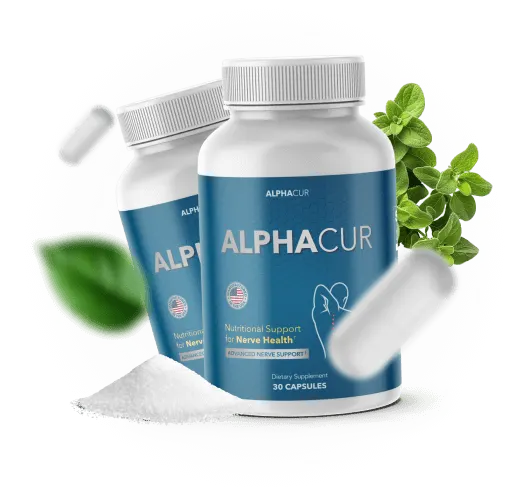
When considering supplements, it's vital to choose high-quality, natural formulations that are designed to be absorbed efficiently by the body. One such option is AlphaCur, a natural supplement specifically formulated to address the root causes of nerve pain by targeting inflammation and supporting nerve health. AlphaCur contains a blend of ingredients known for their neuroprotective and anti-inflammatory properties, making it a complementary addition to an anti-inflammatory diet and healthy lifestyle.
Before adding any new supplement to your routine, it's always advisable to consult with your healthcare provider, especially if you have underlying health conditions or are taking other medications. This ensures that the supplement is appropriate for your individual needs and can be safely integrated into your overall treatment plan. For a broader perspective on managing nerve discomfort, explore various neuropathy treatment options that exist, both conventional and complementary.
By combining a nutrient-rich, anti-inflammatory diet with supportive lifestyle changes and a carefully selected supplement like AlphaCur, you create a powerful, multi-faceted strategy to reduce nerve pain, promote nerve healing, and significantly improve your quality of life. You can also explore other natural neuropathy relief remedies to complement your dietary changes.
💡 Key Takeaway
Beyond diet, incorporating gentle exercise, stress management, adequate sleep, and proper hydration are crucial for nerve health. Supplements like AlphaCur, which contain targeted nutrients, can further support nerve function and inflammation reduction, acting as a valuable complement to dietary and lifestyle efforts.
Spotlight on Key Ingredients in AlphaCur for Nerve Support
AlphaCur is formulated with a synergistic blend of natural ingredients, specifically chosen for their proven roles in reducing inflammation, supporting nerve function, and alleviating nerve pain. One of its cornerstone ingredients is Alpha-Lipoic Acid.

Alpha-Lipoic Acid (ALA)
Role: A powerful antioxidant that is both fat- and water-soluble, allowing it to work throughout the entire body, including nerve cells. ALA helps neutralize free radicals, reduce oxidative stress, and decrease inflammation, which are all critical factors in nerve damage and pain. It also supports nerve regeneration and improves nerve blood flow. ALA is particularly well-regarded for its benefits in neuropathic conditions, such as diabetic neuropathy, where it can improve nerve function and reduce symptoms like burning, numbness, and tingling.
Typical dosage range: 300-600mg dailyAlphaCur combines this potent antioxidant with other natural compounds to create a comprehensive formula designed to provide robust support for nerve health and reduce the discomfort associated with nerve pain. Its ingredients work together to calm inflammation, protect nerve cells, and support their natural repair mechanisms.

Ready to Experience Comprehensive Nerve Pain Relief?
Take control of your nerve pain with AlphaCur, the natural solution designed to support nerve health and reduce inflammation. Developed by experts and backed by science, AlphaCur offers a powerful blend of ingredients to help you regain comfort and improve your quality of life.
- ✓ Targets the root cause of nerve pain: inflammation
- ✓ Supports healthy nerve function and regeneration
- ✓ Formulated with clinically studied natural ingredients
- ✓ Non-GMO, gluten-free, and made in the USA
- ✓ Backed by a 60-day 100% money-back guarantee




What Our Customers Are Saying
"AlphaCur has been a game-changer for my chronic nerve pain. After years of discomfort, I finally found something that truly helps. The burning sensation in my feet has significantly reduced, and I can sleep through the night again. Highly recommend!"
"I was skeptical at first, but AlphaCur delivered. Combined with a healthier diet, I've noticed a remarkable difference in my overall nerve comfort. My tingling hands are almost gone, and I feel more energetic. It's truly an effective natural solution."
"Dealing with sciatica was debilitating, but AlphaCur has provided significant relief. I've tried so many things, but this supplement, along with making better food choices, has made the biggest impact. I'm back to enjoying my walks!"
Frequently Asked Questions
What is the primary cause of nerve pain?
+Nerve pain, often a symptom of neuropathy, can stem from various causes including diabetes, autoimmune diseases, infections, injuries, nutrient deficiencies, or exposure to toxins. While inflammation isn't always the root cause, it significantly exacerbates nerve damage and pain, creating a cycle of discomfort. Addressing underlying inflammation through diet and lifestyle can be a crucial step in managing symptoms.
How can diet specifically help with nerve pain?
+An anti-inflammatory diet works by reducing systemic inflammation throughout the body. Since chronic inflammation can damage nerve cells and sensitize nerve endings, consuming foods rich in antioxidants, omega-3 fatty acids, and essential vitamins helps to calm this inflammatory response. This can lead to decreased pain signaling, improved nerve function, and enhanced overall nerve health, offering a natural pathway to relief.
Which anti-inflammatory foods are best for nerve health?
+Foods particularly beneficial for nerve health include fatty fish (salmon, mackerel) rich in Omega-3s, colorful fruits and vegetables (berries, leafy greens, bell peppers) packed with antioxidants, whole grains, legumes, nuts, and seeds. Spices like turmeric and ginger also offer potent anti-inflammatory properties that can directly support nerve function and reduce pain.
Are there any foods I should avoid if I have nerve pain?
+Yes, certain foods can trigger or worsen inflammation, thereby exacerbating nerve pain. These include highly processed foods, refined sugars, trans fats (found in many fried and fast foods), excessive amounts of red meat, and refined carbohydrates. Reducing or eliminating these from your diet can significantly contribute to an anti-inflammatory state and help manage nerve pain symptoms.
How long does it take to see results from an anti-inflammatory diet?
+The timeline for seeing results from an anti-inflammatory diet can vary greatly depending on the individual, the severity of their nerve pain, and their consistency with the diet. Some individuals may notice improvements in a few weeks, while for others, it might take several months to experience significant relief. It's a gradual process, but consistent adherence typically yields positive long-term benefits.
Can AlphaCur be taken with other supplements or medications?
+AlphaCur is formulated with natural ingredients generally well-tolerated. However, if you are currently taking other supplements or prescription medications, or have pre-existing health conditions, it is always recommended to consult with your healthcare provider before starting any new supplement regimen. This ensures there are no potential interactions and that AlphaCur is suitable for your individual health needs.
Related Articles