Can a Simple Foot Soak Really Ease Neuropathy Pain?
Neuropathy, a condition characterized by nerve damage, can lead to debilitating symptoms like tingling, numbness, burning pain, and muscle weakness, often most pronounced in the hands and feet. Millions worldwide seek relief from its relentless discomfort, turning to a variety of treatments, from prescription medications to alternative therapies.
Among the most widely discussed home remedies is the Epsom salt foot soak. For generations, people have turned to Epsom salt for muscle aches and relaxation, but does this humble mineral truly offer solace for the complex challenges of neuropathy? Let's delve into the science to uncover whether soaking your feet in Epsom salt can indeed help with neuropathy, or if it's merely a soothing ritual with limited direct impact on nerve health.
Understanding Neuropathy: The Root of the Problem
Before we explore solutions, it's vital to understand what neuropathy entails. Peripheral neuropathy is a condition that results from damage to the peripheral nerves, which are the vast network of nerves outside of the brain and spinal cord. These nerves are responsible for transmitting information between the brain and the rest of the body, including sensory perception, muscle movement, and organ function.
When these nerves are damaged, they can cause a wide array of symptoms. Common signs include a gradual onset of numbness, prickling or tingling in your feet or hands, sharp, jabbing, throbbing, or burning pain, extreme sensitivity to touch, and muscle weakness. In some cases, it can lead to more severe issues like loss of balance and coordination, or even paralysis. The causes are diverse, ranging from systemic diseases like diabetes (the most common cause, known as diabetic neuropathy), autoimmune disorders, infections, and vitamin deficiencies, to exposure to toxins, excessive alcohol consumption, and certain medications. Understanding the underlying cause is the first step towards effective management and relief.
The impact of neuropathy extends beyond physical discomfort; it can significantly diminish quality of life, affecting sleep, mobility, and emotional well-being. This is why many individuals seek out every possible avenue for relief, including traditional remedies and modern scientific advancements.
Epsom Salt: A Closer Look at Magnesium Sulfate
Epsom salt isn't actually a salt in the culinary sense; it's a naturally occurring mineral compound made up of magnesium, sulfur, and oxygen, chemically known as magnesium sulfate. For centuries, it has been lauded for its purported health benefits, primarily through topical application in baths or foot soaks.
Magnesium, a key component of Epsom salt, is an essential mineral that plays a crucial role in over 300 biochemical reactions in the body. These include muscle and nerve function, blood glucose control, blood pressure regulation, and protein synthesis. It's also vital for bone health and energy production. Sulfur, the other primary element, is important for numerous biological processes, including detoxification pathways and collagen synthesis. The theory behind Epsom salt soaks is that magnesium can be absorbed through the skin, thereby replenishing the body's magnesium levels and providing therapeutic effects.
Many people report feeling relaxed and experiencing relief from muscle soreness after an Epsom salt bath. This is largely attributed to magnesium's ability to help muscles relax and reduce inflammation. However, the extent to which magnesium is absorbed through the skin and its systemic effects remain subjects of ongoing scientific debate. While some studies suggest transdermal absorption can occur, the quantity absorbed and its clinical significance are not as clear-cut as with oral supplementation. Nonetheless, the soothing warmth of a foot soak combined with the properties of magnesium often provides a subjective sense of well-being.
Does Soaking Feet in Epsom Salt Directly Help Neuropathy?
This is the million-dollar question for many neuropathy sufferers. While the anecdotal evidence for Epsom salt soaks is vast, the scientific community's consensus on its direct impact on neuropathy is more nuanced.
The primary benefit of an Epsom salt foot soak for neuropathy patients is likely indirect. The warm water itself can improve circulation to the feet, which can be beneficial for nerve health and reducing some types of discomfort. Increased blood flow can help deliver oxygen and nutrients to nerve endings and remove metabolic waste products. The magnesium in Epsom salt is known for its muscle-relaxing properties. Many individuals with neuropathy experience muscle cramps, spasms, and general tightness in their feet and calves. Soaking in Epsom salt can help alleviate these muscular symptoms, thereby providing a measure of comfort. Magnesium also has anti-inflammatory properties, which could theoretically help reduce inflammation around damaged nerves, though direct evidence for this specific application in neuropathy is limited.
However, it's crucial to understand that Epsom salt soaks are generally considered a **symptomatic relief method**, not a treatment for the underlying nerve damage. They do not repair damaged nerves, reverse neuropathy progression, or address the root causes of the condition. For individuals with peripheral neuropathy, particularly those with diabetic neuropathy, there's a lack of robust, peer-reviewed clinical trials demonstrating that transdermal magnesium sulfate significantly improves nerve function or reduces neuropathic pain specifically. Most of the reported benefits are subjective and related to muscle relaxation and generalized pain relief.
Furthermore, people with neuropathy, especially those with diabetes, often have reduced sensation in their feet. This means they might not accurately perceive water temperature, risking burns. Open wounds or skin infections are also contraindications for Epsom salt soaks, as they could potentially worsen the condition. Therefore, while a warm Epsom salt foot soak can be a pleasant and temporarily soothing experience, it should be approached with caution and seen as a complementary measure, not a standalone treatment for neuropathy.
💡 Key Takeaway
Epsom salt foot soaks can offer temporary relief from muscle cramps, general aches, and promote relaxation for neuropathy sufferers, primarily due to magnesium's muscle-relaxing properties and the soothing effect of warm water. However, there is limited scientific evidence that it directly treats or reverses nerve damage, and it should not replace conventional medical treatments or a comprehensive nerve support strategy.
How to Safely Incorporate Epsom Salt Soaks into Your Routine
If you decide to try Epsom salt foot soaks for comfort, it's essential to do so safely, especially if you have neuropathy or underlying health conditions. Always consult your doctor before starting any new home remedy.
Consult Your Doctor First
Before adding Epsom salt soaks to your routine, discuss it with your healthcare provider. This is especially important if you have diabetes, open wounds, skin infections, kidney disease, or circulatory problems. They can advise if it's safe for your specific condition.
Check Water Temperature Carefully
Due to potential reduced sensation in your feet from neuropathy, use a thermometer to ensure the water is comfortably warm, not hot (ideally between 92-100°F or 33-38°C). Hot water can cause burns without you realizing it. Test the water with your elbow or by having someone else check it.
Proper Soaking Technique
Add 1/2 to 1 cup of Epsom salt to a foot bath or basin filled with warm water, ensuring the salt is fully dissolved. Soak your feet for 15-30 minutes. Avoid soaking for too long, as it can dry out the skin. You can do this 2-3 times per week.
Moisturize After Soaking
Epsom salt can be drying to the skin. After your soak, gently pat your feet dry, especially between the toes, to prevent fungal infections. Then, apply a good quality moisturizer to keep your skin hydrated and prevent cracks, which can be entry points for infection.
Monitor Your Feet
Regularly inspect your feet for any signs of irritation, redness, dryness, or new wounds, especially if you have neuropathy. If you notice any adverse reactions or worsening symptoms, discontinue the soaks and contact your doctor immediately.

Beyond Epsom Salt: A Holistic Approach to Neuropathy Management
While Epsom salt soaks may offer some comfort, effective neuropathy management requires a comprehensive, multi-faceted approach. This involves addressing underlying causes, adopting healthy lifestyle habits, and considering targeted nutritional support to promote nerve health and regeneration.
Dietary Adjustments
A balanced, anti-inflammatory diet is crucial. Focus on whole foods, lean proteins, healthy fats, and plenty of fruits and vegetables. Avoid processed foods, excessive sugar, and unhealthy fats, which can contribute to inflammation and exacerbate nerve damage. For those with diabetic neuropathy, meticulous blood sugar control through diet is paramount.
Regular Exercise
Physical activity, even gentle forms like walking or swimming, can significantly improve blood flow to the extremities, strengthen muscles, and reduce neuropathic pain. Exercise also helps manage blood sugar levels and can improve overall mood and sleep quality, both of which are often affected by chronic pain.
Targeted Nutritional Support
Certain vitamins and compounds are vital for nerve health. Deficiencies in B vitamins (especially B12, B6, B1), for instance, are common causes or exacerbating factors for neuropathy. Alpha Lipoic Acid (ALA), a powerful antioxidant, has shown promise in numerous studies for its ability to improve nerve function and reduce neuropathic symptoms, particularly in diabetic neuropathy. Other beneficial nutrients include Acetyl-L-Carnitine, Turmeric, and Benfotiamine.
Stress Management
Chronic stress can worsen pain perception and contribute to inflammation. Incorporating stress-reduction techniques such as meditation, deep breathing exercises, yoga, or spending time in nature can significantly improve coping mechanisms and reduce overall discomfort associated with neuropathy.
Avoid Toxins
Limiting exposure to neurotoxins, including excessive alcohol, heavy metals, and certain industrial chemicals, is vital. Smoking also impairs circulation and can worsen nerve damage, making cessation a critical step in neuropathy management.
Regular Foot Care
For those with neuropathy affecting the feet, diligent foot care is non-negotiable. Daily inspection, proper hygiene, moisturizing, and wearing comfortable, protective footwear can prevent injuries and infections that might go unnoticed due to reduced sensation.
For more detailed information on natural approaches to pain relief, you might find our article on how to relieve neuropathy pain naturally particularly insightful. It delves deeper into various non-pharmacological methods that can complement your treatment plan.
AlphaCur: Advanced Support for Nerve Health
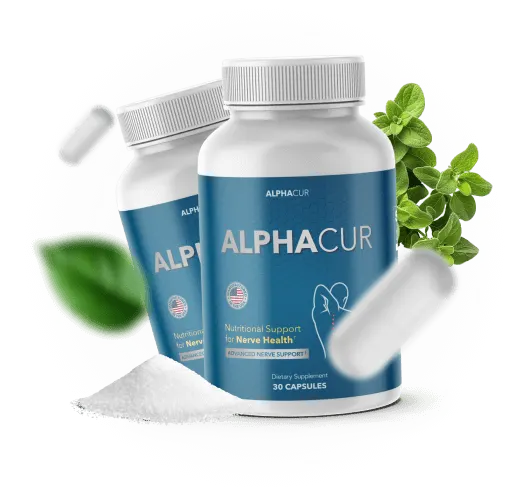
While Epsom salt soaks address external comfort, true nerve health requires internal nourishment. AlphaCur is a cutting-edge dietary supplement specifically formulated to provide comprehensive support for peripheral nerves, targeting the core issues of nerve damage and discomfort from within. It combines scientifically-backed ingredients known for their neuroprotective, antioxidant, and regenerative properties.
Alpha Lipoic Acid (ALA)
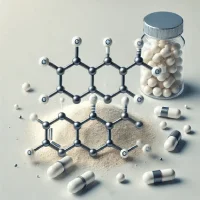
Role: A powerful antioxidant that is both water and fat-soluble, allowing it to work throughout the entire body. ALA is crucial for energy production in cells and has been extensively studied for its ability to reduce oxidative stress, improve nerve blood flow, and even promote nerve fiber regeneration. It's particularly effective in managing symptoms of diabetic neuropathy, such as burning pain, numbness, and tingling. ALA helps protect nerve cells from damage and can enhance the effects of other antioxidants.
Typical Dose: 300-600mg dailyBeyond Alpha Lipoic Acid, AlphaCur's proprietary blend includes a synergy of other vital ingredients known to support nerve health:
- Acetyl-L-Carnitine (ALC): An amino acid that plays a critical role in nerve cell energy metabolism and has neuroprotective effects. Studies suggest ALC can help reduce neuropathic pain and improve nerve regeneration.
- Benfotiamine (Vitamin B1 derivative): A fat-soluble form of Thiamine (Vitamin B1) that is more bioavailable than traditional B1. It helps prevent advanced glycation end-products (AGEs), which are harmful compounds implicated in diabetic nerve damage. Benfotiamine is particularly effective in supporting nerve health and reducing nerve pain in individuals with diabetes.
- Methylcobalamin (Vitamin B12): The active form of Vitamin B12, essential for nerve tissue health, myelin sheath formation, and nerve signal transmission. B12 deficiency is a common cause of neuropathy, and supplementation can help repair nerve damage and reduce symptoms.
- Pyridoxine (Vitamin B6): Crucial for nerve function and neurotransmitter synthesis. However, it's important to note that very high doses of B6 can also cause neuropathy, so balanced supplementation is key. AlphaCur provides a safe, effective dose.
- Folate (Vitamin B9): Works synergistically with B12 to support nerve health and DNA synthesis. Adequate folate levels are important for overall neurological function.
- Turmeric (Curcumin): A potent anti-inflammatory and antioxidant herb. Curcumin, the active compound in turmeric, can help reduce nerve pain and inflammation by modulating various molecular targets involved in pain pathways.
AlphaCur offers a comprehensive solution by combining these powerful ingredients, working to nourish and protect your nerves from the inside out. For more information on how specific nutrients can help, consider reading our article on supplements for tingling hands and feet, which provides a deeper dive into the science behind these beneficial compounds.
Ready for Real Relief? Try AlphaCur Today!
If you're tired of temporary solutions and are seeking a natural, scientifically-backed approach to support your nerve health and alleviate neuropathy symptoms, AlphaCur is designed for you. Our advanced formula goes beyond surface-level comfort, providing your nerves with the essential nutrients they need to thrive.
- ✓ Supports Nerve Regeneration and Repair
- ✓ Reduces Neuropathic Pain, Tingling, and Numbness
- ✓ Powerful Antioxidant Protection for Nerve Cells
- ✓ Improves Blood Flow and Circulation to Extremities
- ✓ All-Natural, Non-GMO, and Made in the USA




Hear From Our Happy Customers
"For years, my feet have been a constant source of burning pain and numbness due to diabetic neuropathy. I tried everything, including Epsom salt soaks which offered minimal relief. Since starting AlphaCur a few months ago, the change has been incredible. The burning is significantly reduced, and I can actually feel my toes again. It's not a miracle cure, but it's the closest I've come to real, lasting relief. Highly recommend!"
"I was skeptical about another supplement, but AlphaCur truly delivered. My peripheral neuropathy had me constantly fighting tingling and sharp pains in my hands and feet. Epsom salt baths helped me relax, but the nerve pain persisted. AlphaCur has made a noticeable difference in reducing the intensity and frequency of my symptoms. I feel more comfortable and can enjoy daily activities without constant discomfort. Thank you!"
"My doctor recommended looking into Alpha Lipoic Acid for my neuropathy, and I found AlphaCur. I've been taking it for three months, and the improvement in my nerve sensitivity is remarkable. The constant pins and needles sensation has calmed down, and my sleep has improved immensely because I'm not waking up with foot pain. It's a fantastic supplement that complements my overall health regimen, much more effective than just soaking my feet."
Frequently Asked Questions
Does Epsom salt truly cure neuropathy?
+No, Epsom salt soaks are not a cure for neuropathy. They can offer temporary symptomatic relief for muscle aches, cramps, and general discomfort associated with neuropathy, primarily due to the magnesium content. However, they do not address the underlying nerve damage or cause of neuropathy.
How does Epsom salt theoretically help with nerve pain?
+Epsom salt, or magnesium sulfate, is believed to help by providing magnesium, which is crucial for muscle and nerve function. When absorbed through the skin, magnesium can help relax muscles, reduce inflammation, and improve circulation, potentially easing some of the discomforts associated with neuropathy. It's more about muscle relaxation and general well-being than direct nerve repair.
Are there any risks or side effects to using Epsom salt for neuropathy?
+While generally safe, some individuals may experience skin irritation, dryness, or allergic reactions. It's crucial not to use Epsom salt soaks if you have open wounds, severe skin infections, or certain medical conditions like kidney disease or severe heart conditions, as magnesium absorption can be problematic. Always consult a healthcare professional first, especially if you have diabetes or circulatory issues.
What are other natural approaches to managing neuropathy symptoms?
+Beyond Epsom salt, a holistic approach includes dietary changes (anti-inflammatory foods), regular exercise, maintaining healthy blood sugar levels, and targeted nutritional supplements. Key supplements often include Alpha Lipoic Acid, B vitamins (especially B12, B6, B1), Acetyl-L-Carnitine, and Turmeric, which support nerve health and reduce oxidative stress.
How often should I use an Epsom salt foot soak for neuropathy?
+For general relaxation and potential relief of muscle cramps, 2-3 times a week is often suggested. The water should be warm, not hot, and the soak should last 15-30 minutes. Always monitor your skin for any adverse reactions and ensure your doctor approves, particularly if you have sensitive skin, diabetes, or other health concerns.
Can AlphaCur be used alongside Epsom salt soaks for neuropathy?
+Yes, AlphaCur is a dietary supplement designed to support nerve health from within, focusing on essential nutrients like Alpha Lipoic Acid and B vitamins. It addresses the internal aspects of nerve support, while Epsom salt soaks target external comfort. They can be complementary as part of a comprehensive neuropathy management plan, but always consult your doctor for personalized advice.
Related Articles